
Repairs and Maintenance in Phoenix: Navigating Responsibilities with a Property Management Company
Owning rental property in Phoenix comes with challenges, especially when it comes to repairs and maintenance. The desert climate, with its intense heat and occasional monsoon storms, can take a toll on buildings and infrastructure. For property owners, ensuring that their investments remain in top condition is critical not only for preserving property value but also for maintaining tenant satisfaction.
Many property owners turn to professional property management companies to help navigate these responsibilities. However, understanding the division of duties between the owner and the management company can sometimes be confusing. This article aims to clarify those roles and provide practical guidance on managing repairs and maintenance effectively in Phoenix.
The Role of Property Management
Property management companies act as intermediaries between property owners and tenants, handling day-to-day operations such as rent collection, tenant screening, and maintenance coordination. Their expertise in local regulations and market conditions makes them invaluable partners in maintaining rental properties.
Property managers typically oversee scheduling, vendor coordination, and timely work completion for rental property repairs and maintenance. They also serve as the first point of contact for tenants reporting issues, allowing owners to focus on strategic decisions rather than operational headaches.
Defining Responsibilities: Property Management Agreement
The property management agreement is the foundation for understanding repair and maintenance duties. This legal document outlines the scope of services provided by the management company and the responsibilities retained by the owner.
Property owners need to review this agreement carefully to identify who handles routine maintenance, emergency repairs, and capital improvements. Clear definitions help prevent misunderstandings and ensure that both parties are aligned on expectations and financial obligations.
Defining Responsibilities: Property Inspection
Regular property inspections are a critical component of effective maintenance. Property managers conduct periodic inspections to identify issues before they escalate into costly repairs. These inspections can be scheduled quarterly, biannually, or annually, depending on the property type and owner preferences.
During inspections, the condition of HVAC systems, plumbing, roofing, and exterior elements is assessed. The findings are communicated to the owner with recommendations for necessary repairs or upgrades, helping to prioritize maintenance tasks and budget accordingly.
Routine Maintenance Tasks
Routine maintenance includes tasks that keep the property functioning smoothly and prevent deterioration. In Phoenix, this often involves servicing air conditioning units, checking irrigation systems, and inspecting for pest infestations common in desert environments.
Other routine tasks include changing filters, cleaning gutters, testing smoke detectors, and ensuring lighting fixtures are operational. These activities may seem minor but they play a significant role in tenant comfort and safety, as well as in avoiding larger repair bills down the line.
Scheduled Maintenance
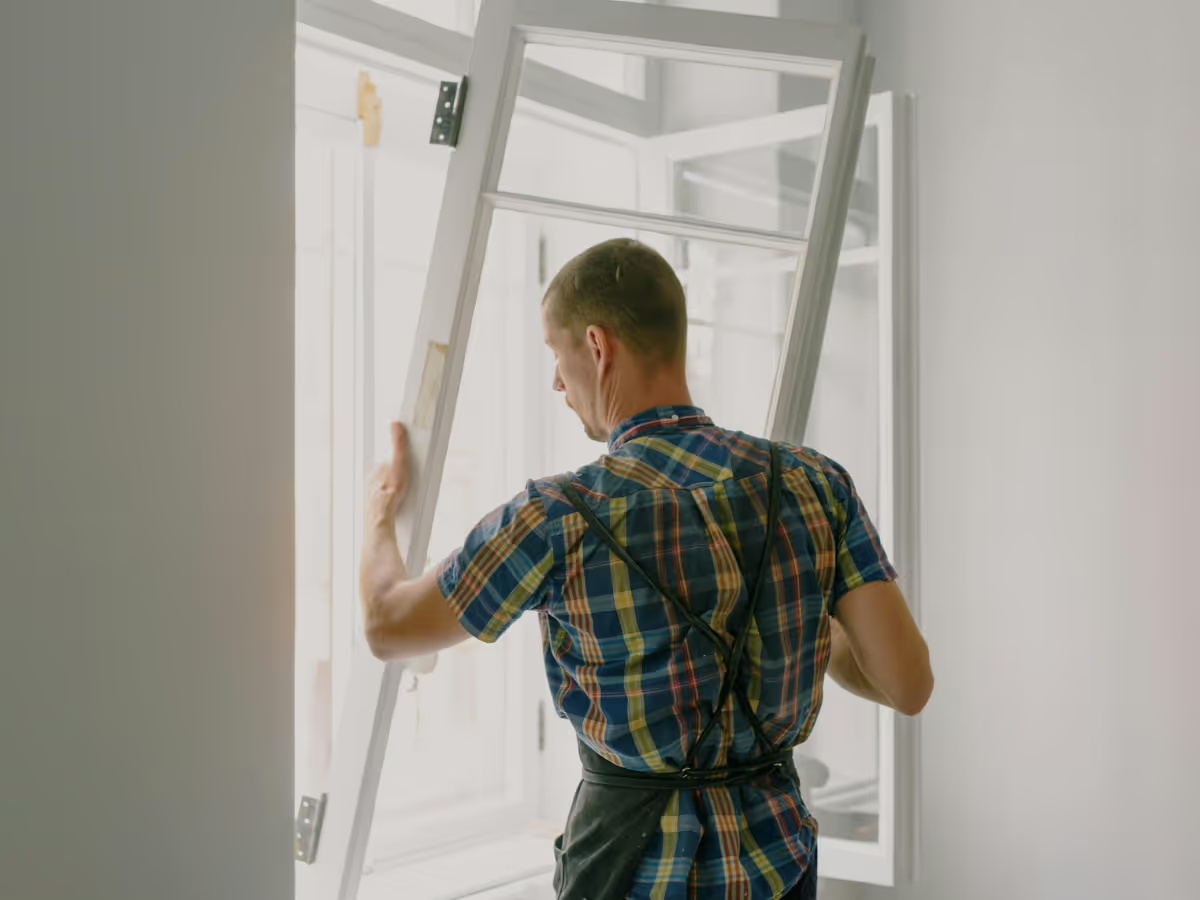
Scheduled maintenance refers to planned upkeep activities performed at regular intervals based on manufacturer recommendations or industry best practices. For example, HVAC systems typically require servicing twice a year to maintain efficiency, especially in Phoenix’s extreme temperatures.
Scheduled maintenance also includes roof inspections before and after monsoon season to check for damage; servicing water heaters, and repainting or sealing exterior surfaces to protect against sun damage. Proactive scheduling helps extend the lifespan of property components and reduces unexpected breakdowns.
Emergency Repairs: Defining Emergencies
Emergencies are repairs that require immediate attention to prevent harm to tenants or significant property damage. Examples include burst pipes, electrical hazards, gas leaks, or complete HVAC failure during peak summer months.
Defining what constitutes an emergency is crucial for both property owners and management companies. This clarity ensures that urgent issues are addressed promptly without unnecessary delays, while non-emergency repairs can be scheduled appropriately.
Emergency Repairs: 24/7 Availability
Given the potential for emergencies to occur at any time, many property management companies offer 24/7 availability for urgent repair requests. This service is vital in Phoenix, where extreme weather conditions can exacerbate issues quickly.
Having a reliable emergency response system in place not only protects the property but also reassures tenants that their safety and comfort are priorities. Property owners should confirm that their management company maintains such availability and understands the protocols for handling after-hours emergencies.
Budgeting for Maintenance
Effective budgeting is a cornerstone of successful property management. Owners should allocate funds for both routine and unexpected maintenance expenses. Industry experts often recommend setting aside 1% to 3% of the property’s value annually for maintenance and repairs.
In Phoenix, additional considerations such as HVAC servicing and weather-related repairs may require a higher budget allocation. Working closely with the property management company to review past maintenance costs and forecast future needs helps create a realistic and flexible budget.
Owner Authorization
Depending on the property management agreement, certain repairs may require owner authorization before proceeding, especially if they exceed a specified cost threshold. This process ensures owners maintain control over significant expenditures while allowing managers to handle smaller repairs autonomously.
Clear communication about approval limits and timelines is essential to avoid delays in repairs that could impact tenant satisfaction or property condition. Some owners opt for pre-approved vendor lists or set spending caps to streamline decision-making.
Effective Communication
Transparent and timely communication between property owners, management companies, vendors, and tenants is vital for smooth maintenance operations. Property managers should provide regular updates on repair statuses, upcoming maintenance schedules, and any issues requiring owner input.
For owners, being responsive to inquiries and decisions helps prevent bottlenecks. Tenants benefit from knowing when repairs will occur and what to expect, which enhances their overall rental experience and reduces frustration.
Maintenance Requests
Handling maintenance requests efficiently is a key responsibility of property management companies. Many utilize online portals or mobile apps that allow tenants to submit requests quickly and track progress in real-time.
This technology not only improves response times but also creates a documented history of maintenance activities that can be valuable for future reference and dispute resolution. Encouraging tenants to report issues early helps prevent minor problems from becoming major repairs.
Selecting Reliable Vendors
Property managers often maintain a network of trusted vendors and contractors to perform repairs and maintenance. Selecting reliable vendors is crucial to ensuring quality workmanship, adherence to timelines, and fair pricing.
Vendors familiar with Phoenix’s climate and building codes are better equipped to recommend appropriate materials and solutions that withstand local conditions. Building strong relationships with reputable service providers benefits both owners and tenants in the long run.
Obtaining Competitive Bids
To manage costs effectively, property management companies may solicit competitive bids from multiple vendors for significant repairs or projects. This practice promotes transparency and helps owners make informed decisions based on price and quality.
Comparing bids provides insight into market rates and can uncover more cost-effective options without compromising standards. Owners should discuss the bidding process with their managers to understand how vendors are selected and how bids are evaluated.
Documentation and Reporting
Maintaining detailed records of all repairs and maintenance activities is essential for property owners. Documentation includes invoices, work orders, inspection reports, and correspondence related to each task.
These records support financial tracking, tax deductions, and legal compliance. Additionally, comprehensive reporting from property management companies helps owners monitor property conditions and assess the effectiveness of maintenance strategies over time.
Regular Maintenance vs. Resident-Induced Damage
Distinguishing between regular wear and tear and damage caused by residents is important for determining financial responsibility. Routine maintenance covers issues that arise naturally over time, while damage due to tenant negligence or misuse may require tenant reimbursement.
Property managers play a key role in documenting the condition of units during move-in and move-out inspections to support these distinctions. Clear policies communicated to tenants help set expectations and reduce disputes related to repair costs.
Conclusion
Rental maintenance and repairs in Phoenix rental properties require careful coordination and clear delineation of responsibilities between owners and property management companies. By understanding the roles outlined in management agreements, conducting regular inspections, and maintaining open communication, property owners can protect their investments and provide safe, comfortable homes for tenants.
Proactive budgeting, reliable vendor selection, and efficient handling of maintenance requests further enhance property performance and tenant satisfaction. Ultimately, a collaborative approach between owners and management companies ensures that repairs and maintenance are managed effectively in Phoenix’s challenging environment.
Invest in your properties, but don't get overcharged. If that's too stressful, hire Evernest to handle maintenance and repairs for you! Reach out to our Phoenix property management team today.


